
CMV Risk in Healthcare Settings
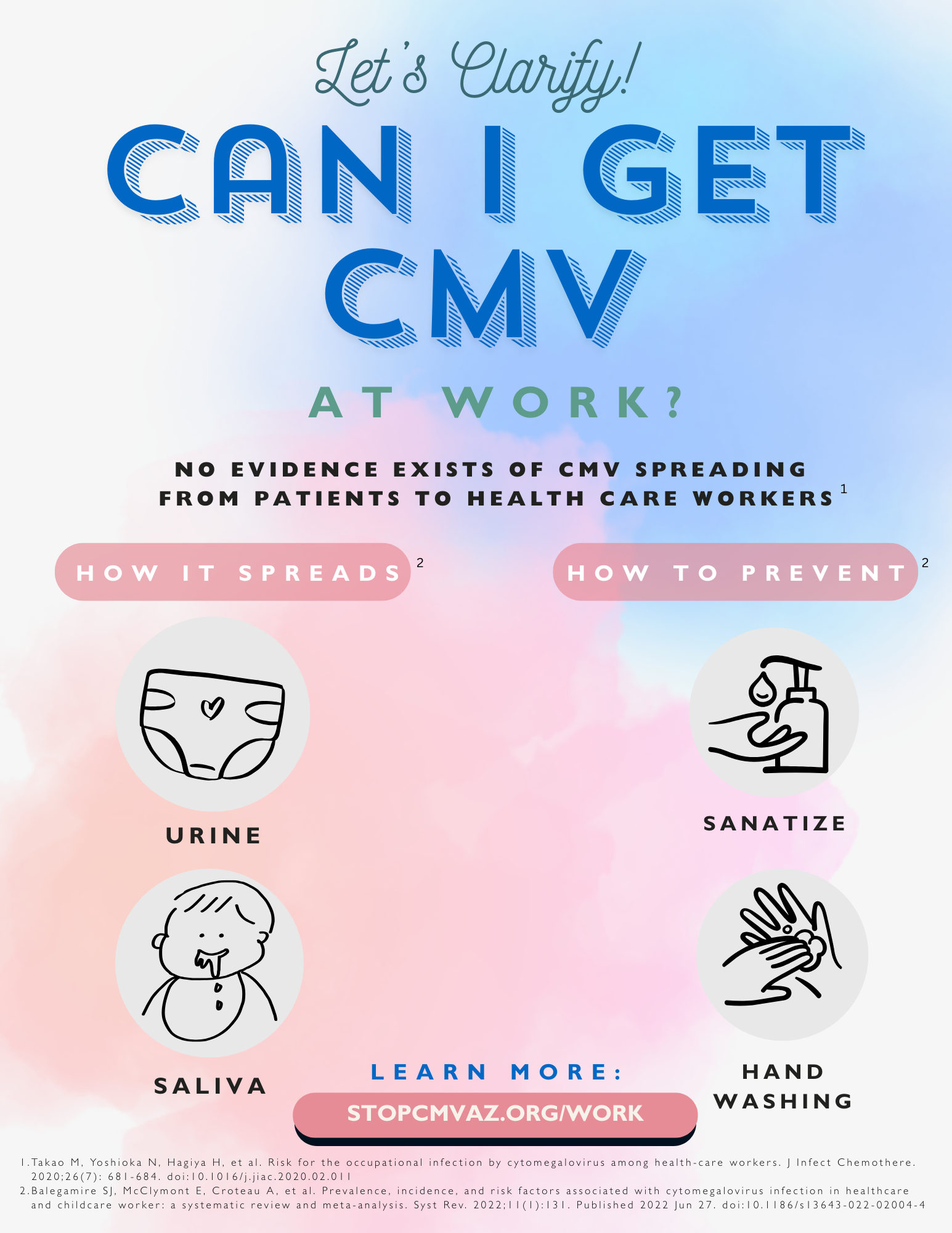
No evidence exists of CMV spreading
from patients to health care worker
-
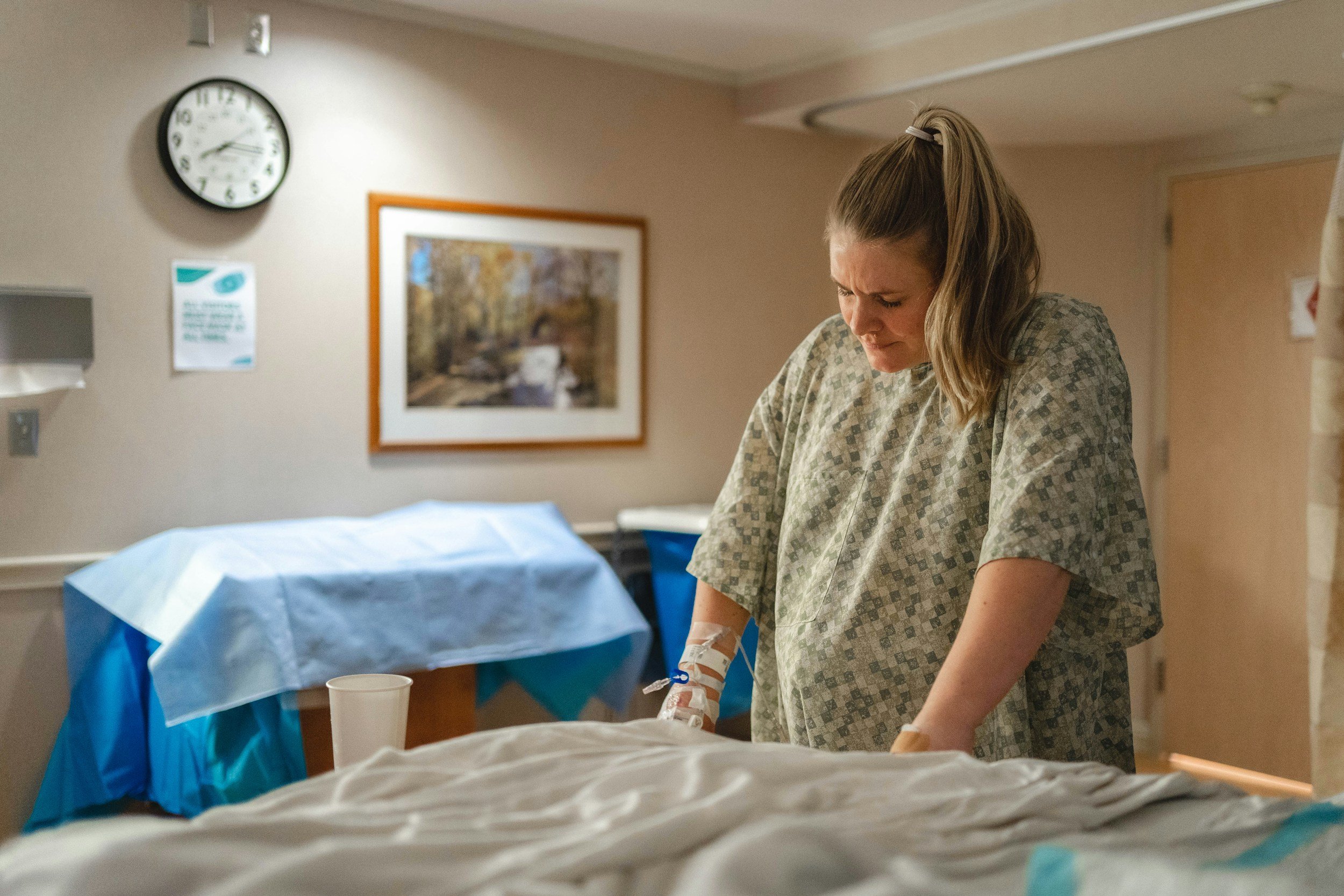
Labor and Delivery
Although CMV can be found in body fluids such as urine, saliva, blood, and genital secretions, studies show:
Healthcare workers do NOT have a higher CMV infection rate than the general population.
Standard precautions (gloves, hand hygiene) are highly effective and are all that is needed.
Special CMV-specific precautions are not recommended or required.
-
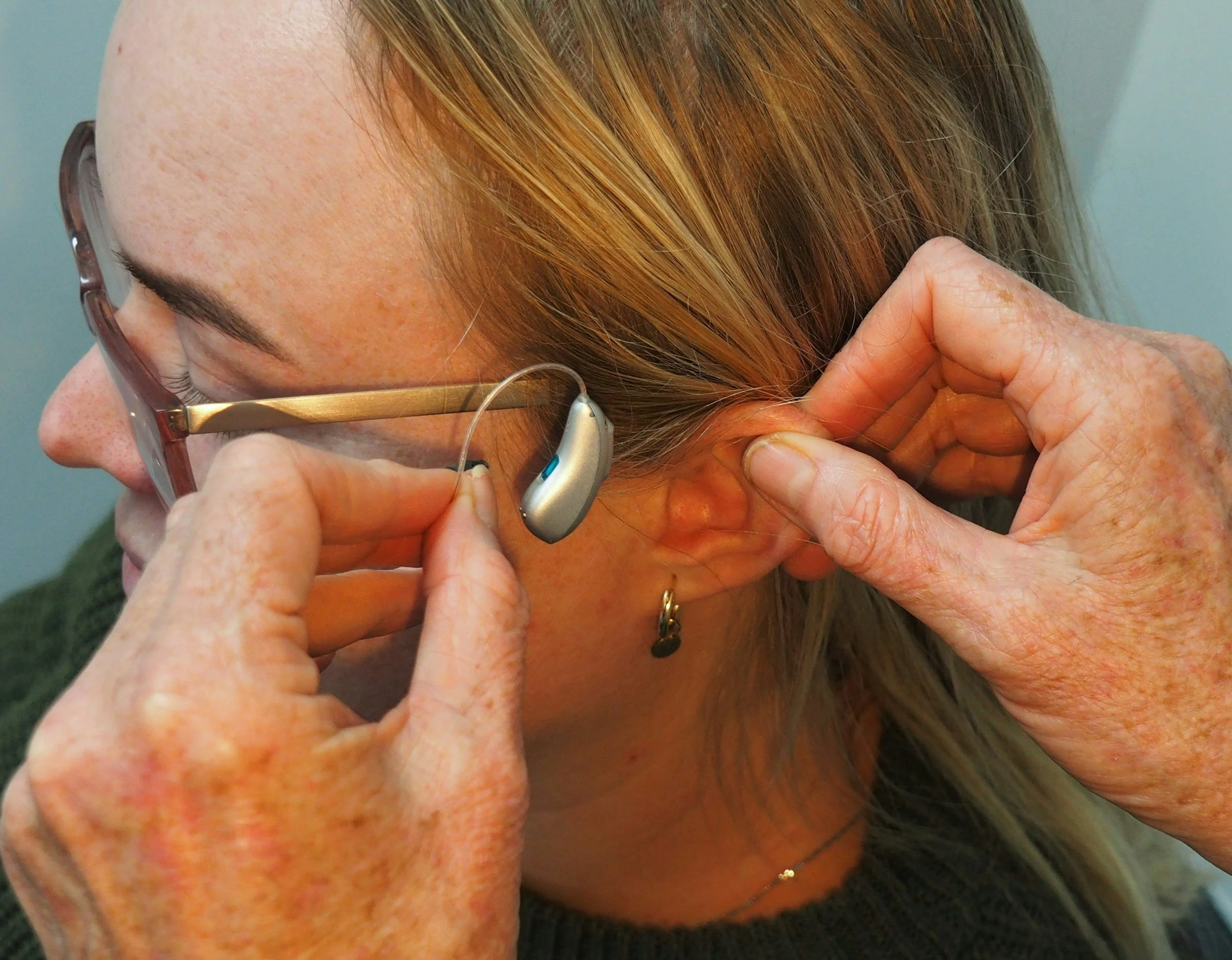
Audiologist
Audiologists may work with children who have congenital or acquired CMV-related hearing loss. However:
Routine hearing exams do not typically involve exposure to high-risk body fluids.
Standard hygiene practices are sufficient to prevent CMV transmission.
There is no evidence of increased CMV risk for audiologists.
-
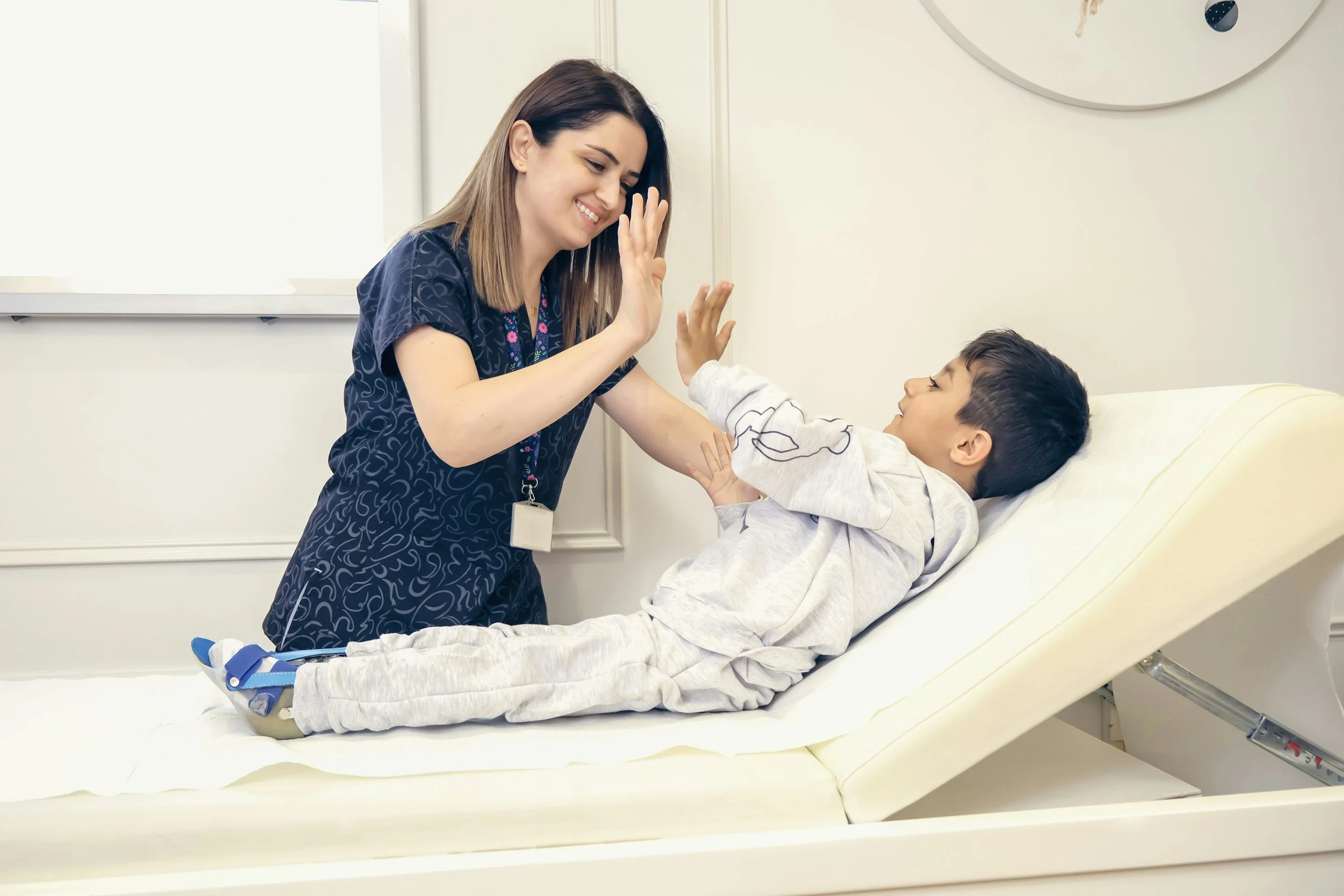
Pediatrician
Pediatricians care for many infants and young children—the age group most likely to shed CMV.
Young children can shed CMV in saliva and urine for months or years.
Shedding is highest in the first months of life, especially in babies who were symptomatic at birth. CMV levels gradually drop and typically become much lower by age 5.
Urine shedding lasts longer than saliva shedding. The prolonged shedding in infants is why CMV testing uses urine or saliva samples.
Even with higher shedding in young children, standard hygiene practices—gloves for diaper changes, handwashing, avoiding contact with saliva—are highly protective.
Frequently Asked Questions
-
While OSHA recommends that “employers should consider reassigning such workers to jobs that do not expose them to potentially infectious body fluids,” the CDC says it is unnecessary for pregnant women be reassigned out of precaution against CMV exposure. Based on our research into exposure risk, we agree reassignment during pregnancy seems unnecessary.
-
The main ways CMV is transmitted is through urine and saliva. HCP who most commonly interact with these bodily fluids may be the most at risk of infection, though that risk is still very low.
-
Item Healthcare workers should use PPE, such as gloves, whenever there is a chance they may encounter body fluids. They should also follow good hand hygiene practices, including washing hands for at least 15 seconds with soap and running water or using ABHRs that contain at least 60% alcohol when soap and running water are not available. Always wash hands after glove removal, as gloves are not a replacement for hand washing. Always wash hands that are visibly soiled. Frequently sanitizing surfaces can also help prevent exposure to CMV when those surfaces are contaminated.description